Factors That Influence Magnifying Lamp Price
Magnifying lamps are essential tools across industries ranging from healthcare and electronics to beauty and craftsmanship. They combine illumination with magnification, enabling precision work and reducing eye strain. However, the ราคาโคมไฟแว่นขยาย can vary significantly depending on its specifications and intended use. By examining the key factors that drive cost, buyers can make informed decisions and avoid overpaying for features they may not need.
Lens Quality and Magnification Strength
One of the most important determinants of price is the lens quality. Lamps with optical glass lenses tend to be more expensive than those with acrylic alternatives because they provide clearer, distortion-free magnification. The magnification strength also plays a role: lamps offering 5x, 10x, or even 20x magnification are priced higher due to the complexity of manufacturing precise lenses. For example, models listed onโคมไฟแว่นขยาย.com show that higher magnification levels such as 20x LED lamps can cost nearly double compared to standard 5x versions.
Lighting Technology
The type of lighting integrated into the lamp is another major factor. Traditional fluorescent lamps are generally cheaper but less energy-efficient and produce more heat. Modern LED magnifying lamps are priced higher because they offer superior brightness, longer lifespan, and lower energy consumption. LED technology also provides consistent, shadow-free illumination, which is critical for medical, beauty, and technical applications. The added durability and efficiency justify the higher upfront cost, making LED lamps a long-term investment.
Design and Mounting Options
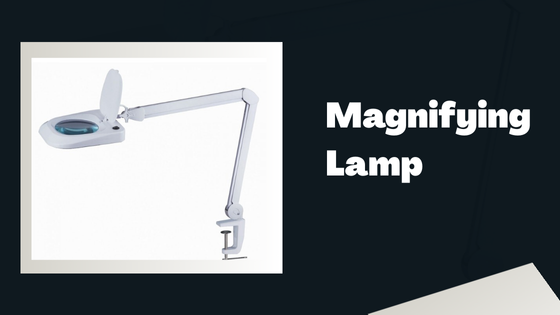
Magnifying lamps come in various designs, such as desk-mounted, clamp-mounted, swing-arm, and floor-standing models. Compact desk lamps are usually more affordable, while floor-standing or swing-arm designs cost more due to their versatility and stability. Adjustable arms and ergonomic features add to the price because they enhance usability and comfort during long working hours. For instance, swing-type LED magnifying lamps listed on the referenced site are priced higher than fixed-base models, reflecting the added convenience and engineering involved.
Brand Reputation and Manufacturing Standards
Brand reputation and manufacturing quality also influence magnifying lamp prices. Established brands that adhere to strict quality standards often charge more, but they provide reliability and better after-sales support. Cheaper, unbranded lamps may save money initially but can suffer from poor lens clarity, weak lighting, or fragile construction. Professionals in clinics or workshops often prefer reputable brands because the lamp is a critical tool that directly affects the quality of their work.
Additional Features and Accessories
Magnifying lamps with extra features such as dimmable lighting, interchangeable lenses, or built-in dust covers are priced higher. These features improve functionality and durability, making them attractive to professionals who require flexibility. Lamps designed for specialized tasks, such as soldering electronics or performing dermatological procedures, may include heat-resistant materials or medical-grade certifications, further increasing their cost.
Market Availability and Regional Pricing
Regional availability and import costs also affect magnifying lamp prices. Locally manufactured lamps may be cheaper due to reduced shipping and tariffs, while imported models can be more expensive. On platforms like โคมไฟแว่นขยาย.com, prices range from around 1,600 THB for basic 5x models to nearly 4,900 THB for advanced 20x LED versions. This variation highlights how specifications and regional market conditions combine to shape final pricing.
Conclusion
Magnifying lamp prices are shaped by a combination of lens quality, magnification strength, lighting technology, design type, brand reputation, and regional market factors. While basic models may suffice for casual use, professionals in clinics, salons, or workshops often invest in higher-end lamps to ensure precision, comfort, and durability. By understanding these factors, buyers can select the most suitable lamp for their needs without overspending, ensuring that their investment enhances both productivity and quality of work.